How I Made My First ₹10,000 Online (And What Actually Worked)
I still remember the exact moment it happened.
I was sitting cross-legged on my bed at 11:43 PM, laptop balanced on a pillow, eating leftover dal-chawal with one hand and refreshing my phone with the other. Then the notification came in — a payment of ₹2,500 from a client I’d never met in person. A stranger on the internet had paid me real money for something I did from my bedroom.
I read the notification three times. Then I screenshot it. Then I called my friend and said, “Bhai, it actually worked.”
That was the night I knew making money online wasn’t just something that happened to people in YouTube thumbnails. It could happen to me. And now, looking back at how I crossed that first ₹10,000 milestone, I want to share everything — the wins, the embarrassing failures, and most importantly, what actually moved the needle.
First, Let Me Be Honest With You
Most “how I made money online” stories are polished to the point of being useless. They skip the three months of silence, the proposals that got ghosted, the strategies that sounded great in theory but crashed in reality. I’m not going to do that.
This is the real version.
I started with zero followers, zero clients, and zero clue what I was doing. I had a laptop, a decent internet connection, and an uncomfortable amount of free time. That was it.
Here’s exactly how the ₹10,000 came together.
The First ₹2,500 — Freelance Writing
I had always been told I write well. Teachers said it. Friends said it. But I’d never tried to sell that skill. So one evening, feeling equal parts desperate and curious, I made a profile on Internshala and applied to five content writing gigs.
Four didn’t reply. One did.
It was a small digital marketing agency looking for someone to write blog posts about personal finance. They offered ₹500 per article. I said yes before they finished the sentence.
Over the next two weeks, I wrote five articles. They paid ₹2,500. The work wasn’t glamorous — writing about mutual funds and SIPs isn’t exactly thrilling — but I learned something important: someone would pay me for words. That realization alone was worth more than the money.
What worked: Just starting. Not waiting for the “perfect” portfolio. Not spending two weeks building a website first. Just applying.
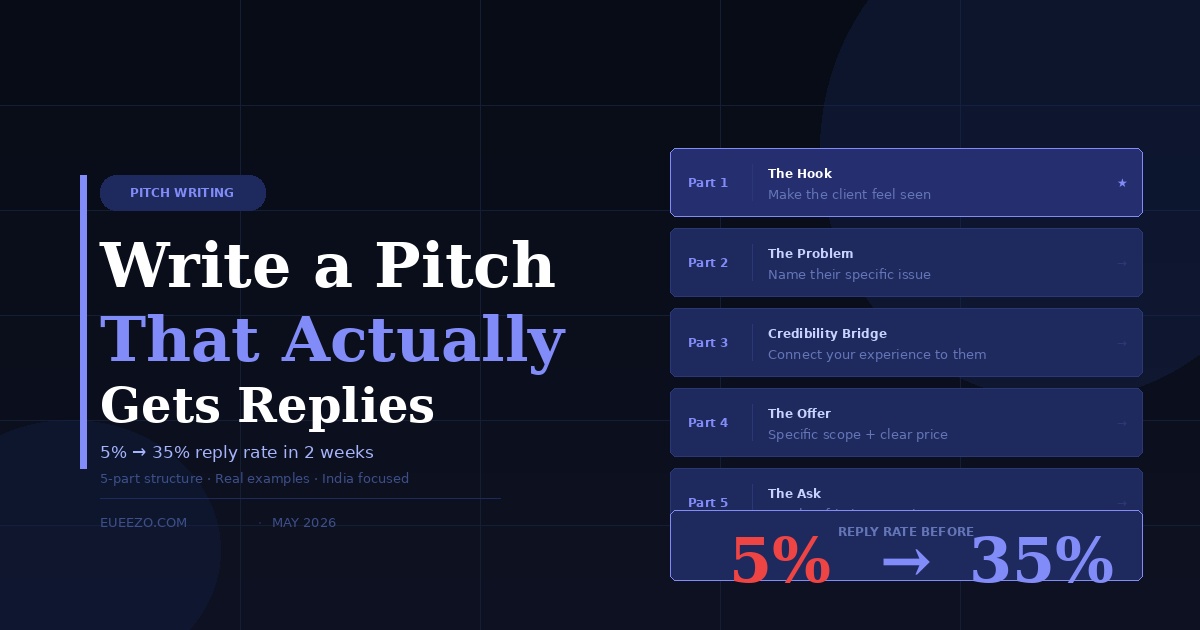
What didn’t: Pitching too broadly. My first proposal was generic. When I personalized my pitch to mention something specific about the client’s blog, my reply rate jumped immediately.
The Next ₹3,000 — Selling a Notion Template
Around this time, I’d become mildly obsessed with Notion. I’d built myself a detailed freelance tracker — one place to manage my clients, invoices, deadlines, and income reports. A friend saw it and said, “You should sell this.”
I thought she was joking.
She wasn’t.
I spent a weekend cleaning it up, wrote a simple description, and listed it on Gumroad for ₹299. Then I posted about it once on a couple of Facebook groups for freelancers and students.
Within ten days, I had 11 sales. ₹3,289 in my account from a thing I’d built for myself.
This was the moment I understood passive income — not in the fluffy, motivational-poster sense, but in the real sense. I did the work once. The product kept selling while I slept.
What worked: Solving a real problem I personally had. The template wasn’t theoretical — I used it every day, which meant it actually worked.
What didn’t: Pricing too low out of fear. At ₹299, I was undervaluing it. I’ve since raised the price and conversions barely dropped.
The Next ₹2,800 — Referrals I Didn’t Ask For
Here’s something nobody tells you: if you do good work, people talk.
The agency I wrote those first five articles for mentioned my name to another small business owner they knew. That owner reached out to me directly asking for help with their website copy. We agreed on ₹2,800 for three pages.
I hadn’t marketed myself. I hadn’t sent a single cold email that week. The work came to me because I’d been reliable with my first client.
What worked: Treating every small client like they were my biggest client. Submitting on time. Communicating clearly. Being easy to work with.
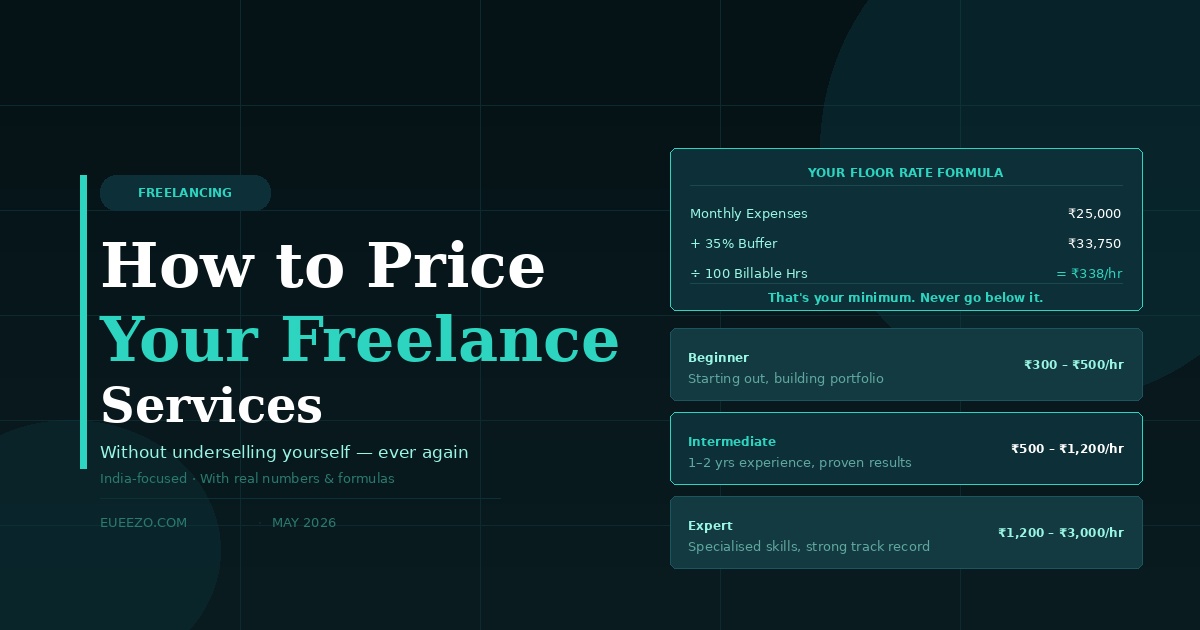
What didn’t: I almost undercharged again. I quoted ₹1,500 first. The client actually asked if I was sure that was enough. Lesson learned — stop assuming people won’t pay what you’re worth.
The Final ₹1,500 — An Affiliate Commission
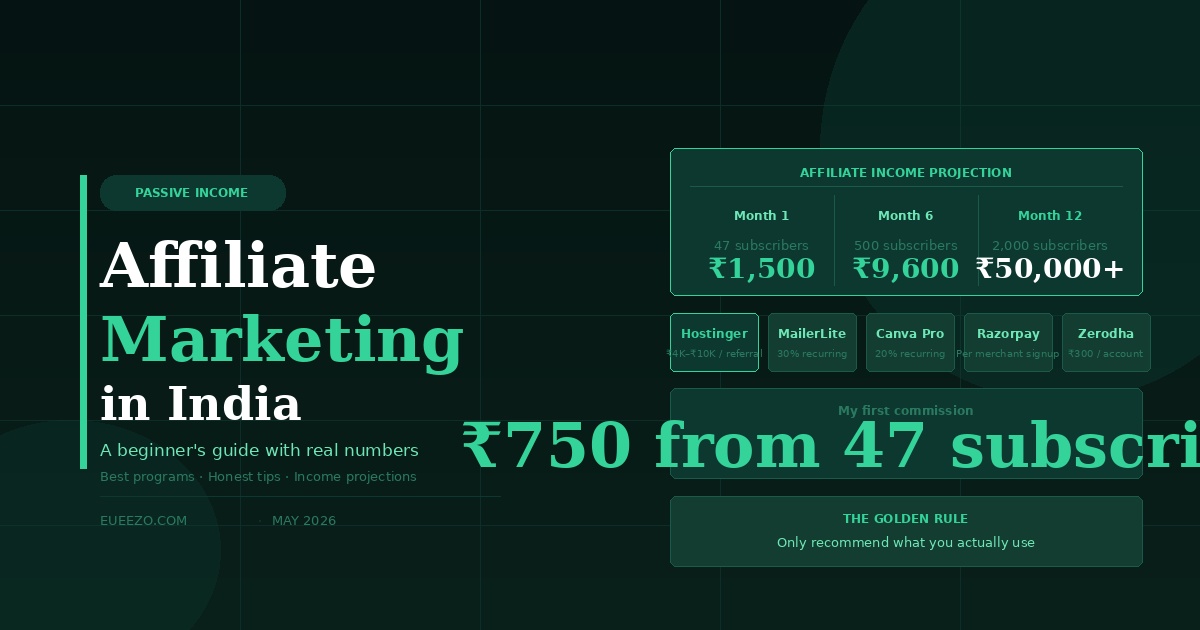
By this point I’d started a small newsletter — just 47 subscribers, mostly friends and strangers who’d downloaded my Notion template. I wrote a short post recommending a tool I genuinely used (a lightweight invoicing app for freelancers) and included my affiliate link.
Two people signed up for the paid plan. I earned ₹750 per referral.
₹1,500 for writing one honest recommendation in a newsletter that barely anyone read.
Affiliate marketing had always seemed sleazy to me — people recommending things they’d never used just to earn a commission. But recommending something I genuinely paid for and used daily? That felt completely different. And it converted.
What worked: Only recommending things I actually use. My subscribers trusted me because I wasn’t just dumping links — I explained exactly why I used the tool and what it solved for me.
What didn’t: Not starting the newsletter earlier. Every week I delayed was a week of not building an audience.
The Full Breakdown
| Source | Amount |
|---|---|
| Freelance Writing (5 articles) | ₹2,500 |
| Notion Template Sales (11 sales) | ₹3,289 |
| Website Copywriting (referral client) | ₹2,800 |
| Affiliate Commissions (newsletter) | ₹1,500 |
| Total | ₹10,089 |
What I’d Do Differently
1. Start the newsletter on Day 1. An email list is the only online asset you truly own. Social media accounts get banned. Algorithms change. Your email list doesn’t. I wasted almost two months before I started mine.
2. Raise prices faster. Fear kept me cheap. Every time I raised my rates, I expected clients to disappear. They didn’t. Most didn’t even flinch.
3. Document everything from the start. I wish I’d taken screenshots, kept records, and written about my process from week one. The journey would have been content. Instead, I have patchy notes and a failing memory.
4. Say no to bad-fit clients sooner. I took on one client early on who wanted endless revisions, paid late, and communicated poorly. They drained more energy than the money was worth. Learning to say no — politely but firmly — is a skill that pays dividends.
What This Means for You
If you’re reading this hoping for a secret formula, I’m sorry to disappoint you. There isn’t one.
What there is: a set of boring, unglamorous actions that compound over time. Start before you’re ready. Do good work on small things. Build something that solves a real problem. Tell people about it. Show up consistently.
₹10,000 sounds small. But crossing it changed everything about how I saw what was possible. It proved the concept. It made the next ₹10,000 feel inevitable instead of impossible.
And the month after? I made ₹18,500.
But that’s a story for the next income report.
If you found this useful, subscribe to my newsletter below — I share monthly income reports, honest lessons, and the tools I actually use. No fluff, no fake gurus.
Tags: #IncomeReport #MakeMoneyOnline #Freelancing #SideHustle #IndiaOnline