
Israel Launches Major Strike on Iran as Explosions Hit Tehran
February 28, 2026
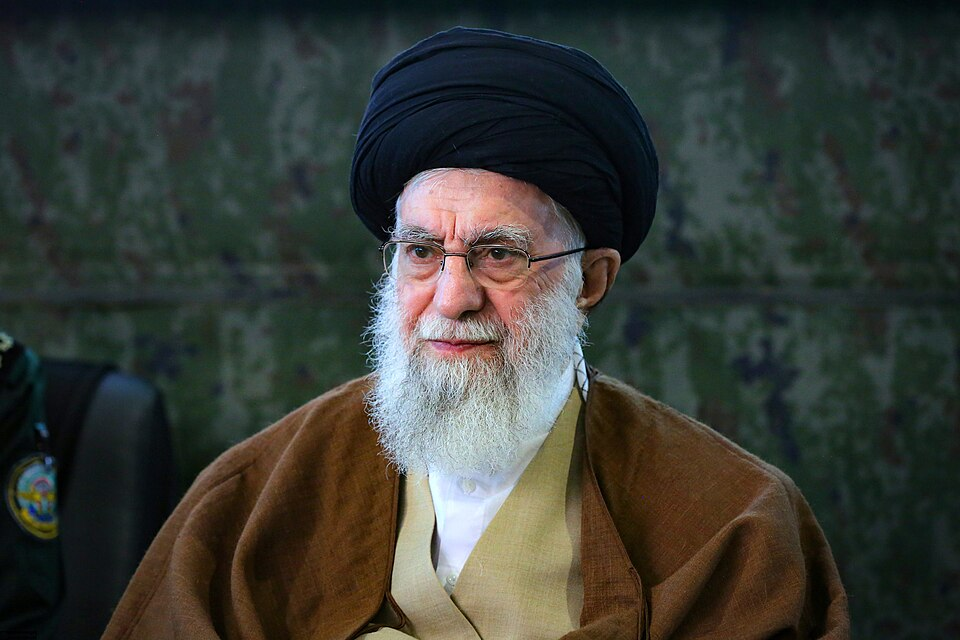
Israel has launched a major military strike on Iran, with explosions reported across the capital Tehran and other cities, marking one of the biggest escalations in the Middle East in recent years. The attacks were carried out in coordination with the United States and targeted military and government facilities. (Wikipedia)
Israeli officials described the operation as a pre-emptive strike aimed at stopping Iran’s missile and nuclear programs, which Israel says threaten its national security. (Reuters)
Explosions Reported Across Iran
Multiple explosions were heard in Tehran as airstrikes hit key locations, including areas linked to Iran’s leadership and military infrastructure. Smoke was seen rising over parts of the city, and emergency services were deployed across affected areas. (Al Jazeera)
The operation targeted strategic sites and senior officials as part of a broader military campaign against Iran. (Wikipedia)
Conflicting Claims About Iran’s Supreme Leader
U.S. President Donald Trump and Israeli officials claimed that Iran’s Supreme Leader Ayatollah Ali Khamenei may have been killed during the attacks. (Wikipedia)
However, Iranian authorities denied the claims and said Khamenei was alive and directing military operations. (Reuters)
The situation remains unclear as no independent confirmation has been provided.
Iran Launches Retaliatory Attacks
Iran responded by launching missiles and drones toward Israeli targets and U.S. bases in the region, raising fears of a wider war in the Middle East. (Le Monde.fr)
Air defense systems were activated in Israel as sirens sounded in several cities. Authorities also closed schools and restricted public gatherings as a precaution. (Reuters)
Growing Risk of Regional War
The strikes come after months of rising tensions over Iran’s nuclear program and failed diplomatic negotiations with Western countries. (Wikipedia)
Military analysts warn that the conflict could expand across the region if both sides continue attacks.
Several countries have called for restraint, while global markets are closely watching the situation due to concerns about oil supplies and regional stability.
Situation Still Developing
The situation remains highly volatile, with both sides promising further action. Governments around the world are monitoring the crisis as the risk of a broader Middle East conflict increases.