
Introduction
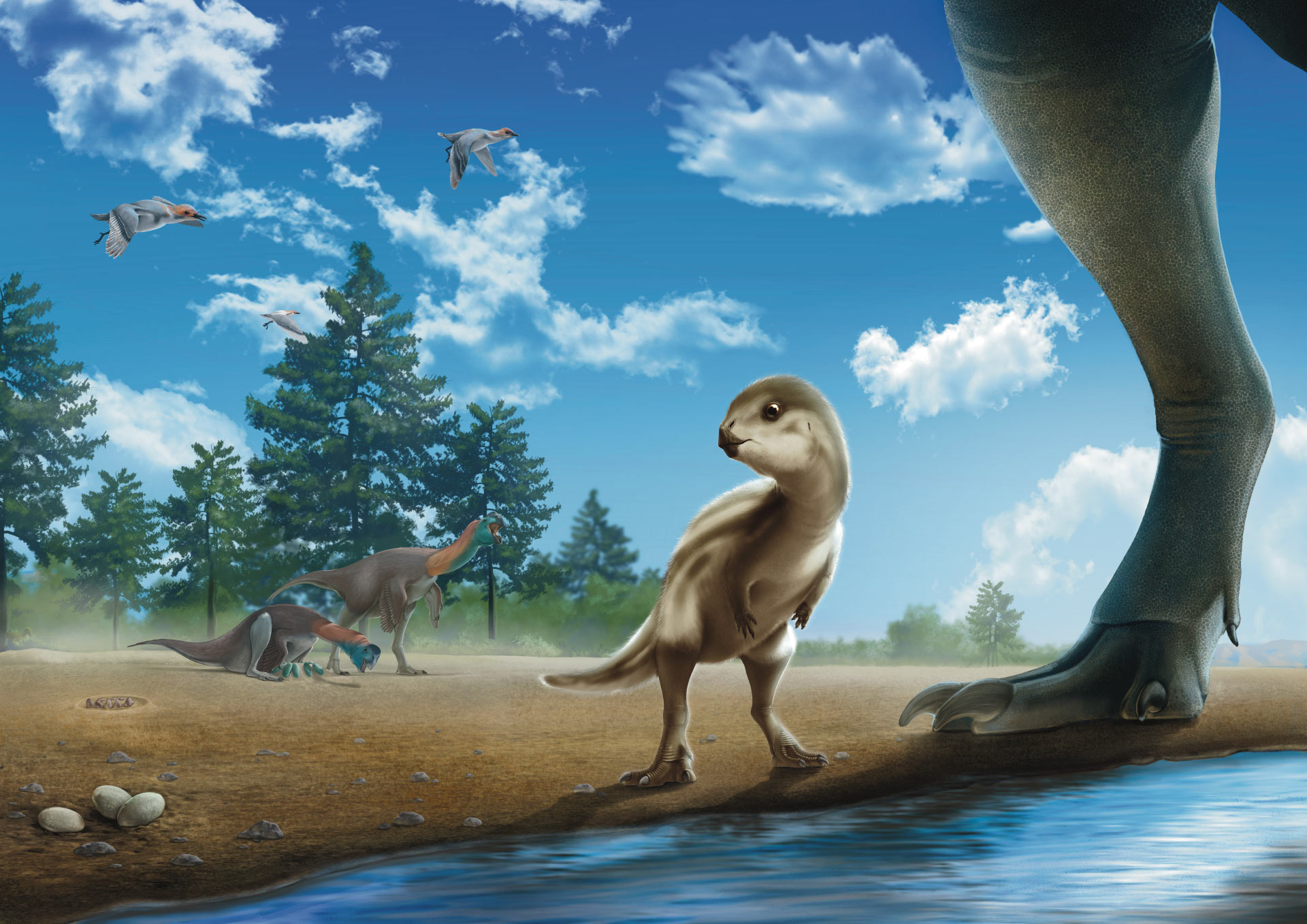
Scientists have discovered a new species of plant-eating dinosaur in South Korea. The fossil remains suggest the dinosaur lived around 100 million years ago, during the Cretaceous period.
What Was Found
The newly identified dinosaur has been named Doolysaurus huhmini. Researchers studied fossilized bones that were found in South Korea and confirmed it was a previously unknown species.
The dinosaur was relatively small compared to others from its time. It likely walked on two legs and had features that suggest it may have had feathers.
What Scientists Say
Experts believe Doolysaurus huhmini was either herbivorous (plant-eating) or omnivorous (eating both plants and small animals). Its body structure indicates it was fast and lightweight, which may have helped it escape predators.
Researchers say this discovery helps them better understand how dinosaurs evolved in Asia, especially during the mid-Cretaceous period.
Why It Matters
This finding adds to the growing number of dinosaur species discovered in Asia. It also shows that the region had a more diverse ecosystem than previously thought.
Each new fossil discovery gives scientists more clues about how dinosaurs lived, moved, and adapted to their environment millions of years ago.
Bottom Line
The discovery of Doolysaurus huhmini offers new insight into dinosaur life in ancient Korea and helps fill gaps in the history of plant-eating dinosaurs.