
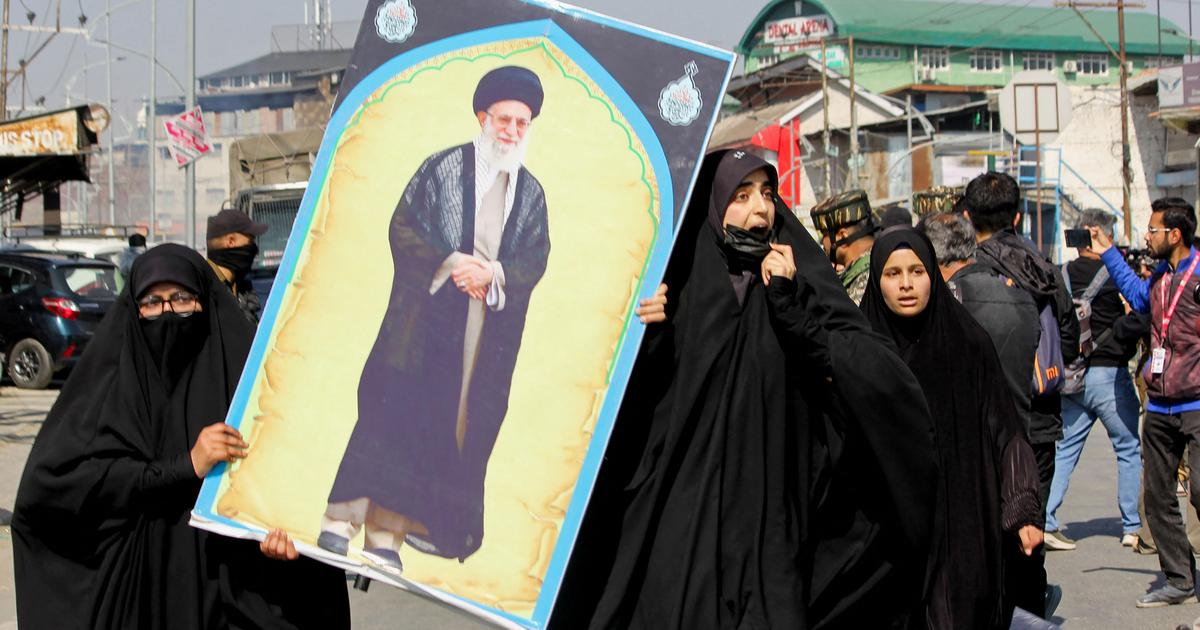
Muslims in several parts of India, particularly in Kashmir, have been holding mourning gatherings and protests following the reported death of Iran’s Supreme Leader, Ali Khamenei.
Before you scroll further…
Get the best of news directly in your inbox for free.
Prayer meetings, rallies and processions have taken place in cities with significant Shia Muslim populations, reflecting the religious influence Khamenei held for many followers beyond Iran.
Mourning Gatherings Across Indian Cities
Mourning events have been reported in cities including Srinagar, Lucknow, Mumbai and Bengaluru.
In several areas, community members organized prayer meetings, candlelight marches and protest rallies to express grief. Some markets in Lucknow were reportedly closed as part of the mourning, while demonstrators held public marches and raised slogans condemning international actions they believed were linked to the incident.
Local religious leaders also announced mourning periods and encouraged people to gather for prayers and remembrance ceremonies.
Strong Response in Kashmir
The strongest public reaction has been seen in Kashmir, where a notable Shia population lives.
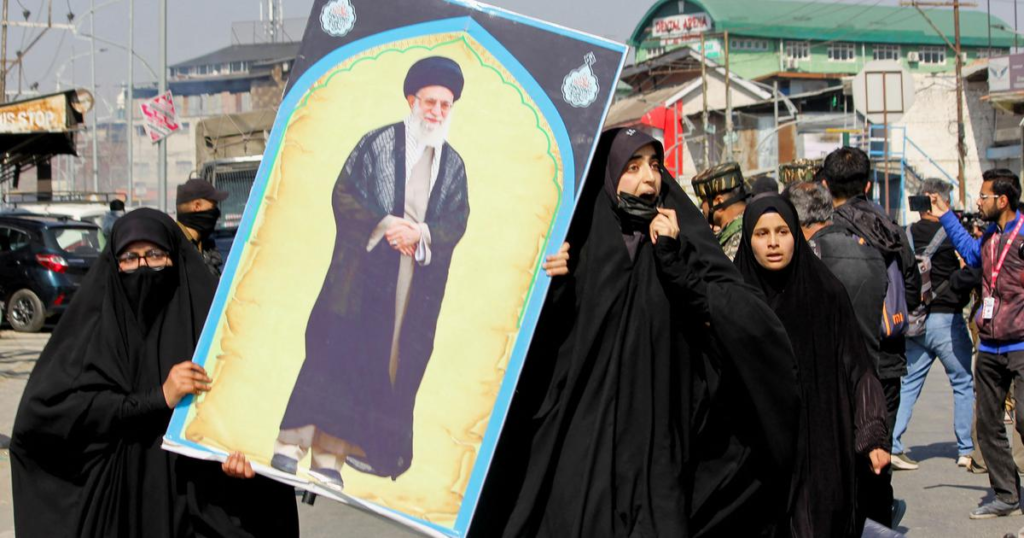
In Srinagar and nearby areas, hundreds of mourners joined processions carrying black flags and portraits of Khamenei. Participants described his death as a major loss for the global Shia Muslim community.
Security forces increased monitoring in some districts as large gatherings and demonstrations continued.
Why Many Shia Muslims Consider Khamenei Important
For many followers of Shia Islam, Khamenei was not only a political leader but also an important religious authority.
Senior Shia clerics can serve as a “Marja-e-Taqlid,” meaning a religious figure whose interpretations of Islamic law guide followers in their daily lives.
Because of this role, many Shia Muslims around the world viewed Khamenei as both a spiritual guide and a political symbol. His death is therefore being mourned not only as a political event but also as a religious loss.
Religious and Cultural Connections
Indian Shia communities have long had historical and religious links with clerical institutions in Iran. Many religious scholars from South Asia have studied in Iranian seminaries, and Iranian religious leaders have influenced Shia theological traditions in the region.
In Kashmir, the mourning ceremonies have resembled the traditional rituals seen during Muharram, when Shia Muslims commemorate the martyrdom of Husayn ibn Ali at the Battle of Karbala.
These rituals often include processions, recitations of elegies and gatherings focused on remembrance and solidarity.
Reaction Beyond India
The response in India is part of a broader international reaction among Shia communities and supporters of Iran.
In several countries, demonstrations and mourning gatherings have been organized following the news of Khamenei’s death, highlighting his influence far beyond Iran.
For many followers, the reaction reflects how religious leadership within the Shia world can resonate globally, shaping political and emotional responses among communities thousands of kilometers away.