
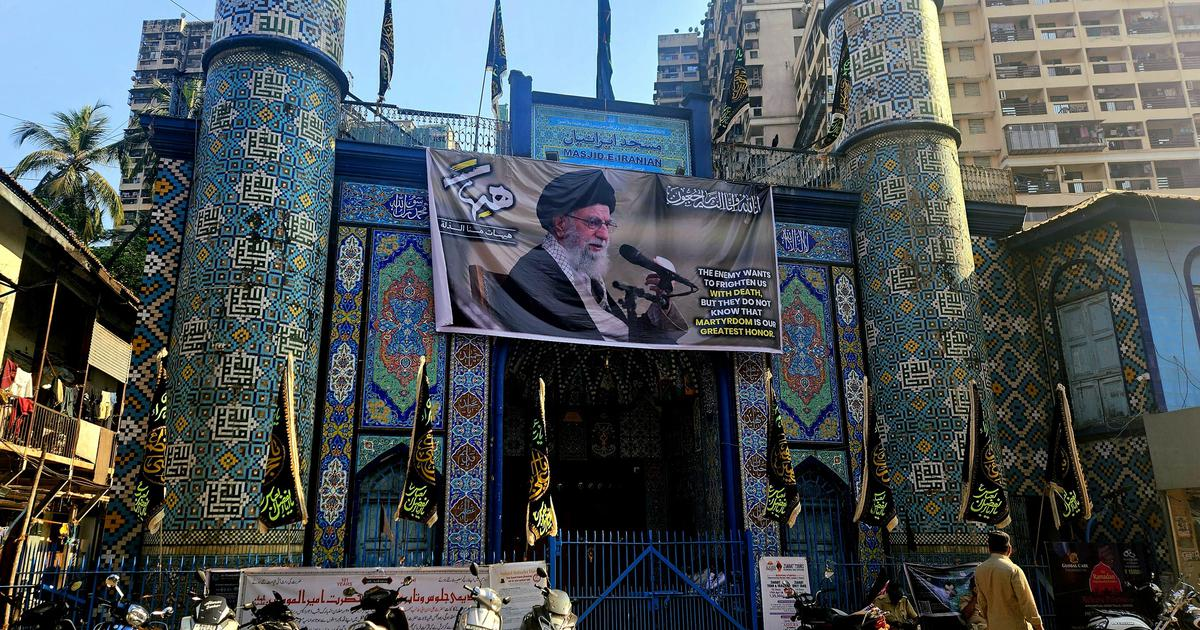
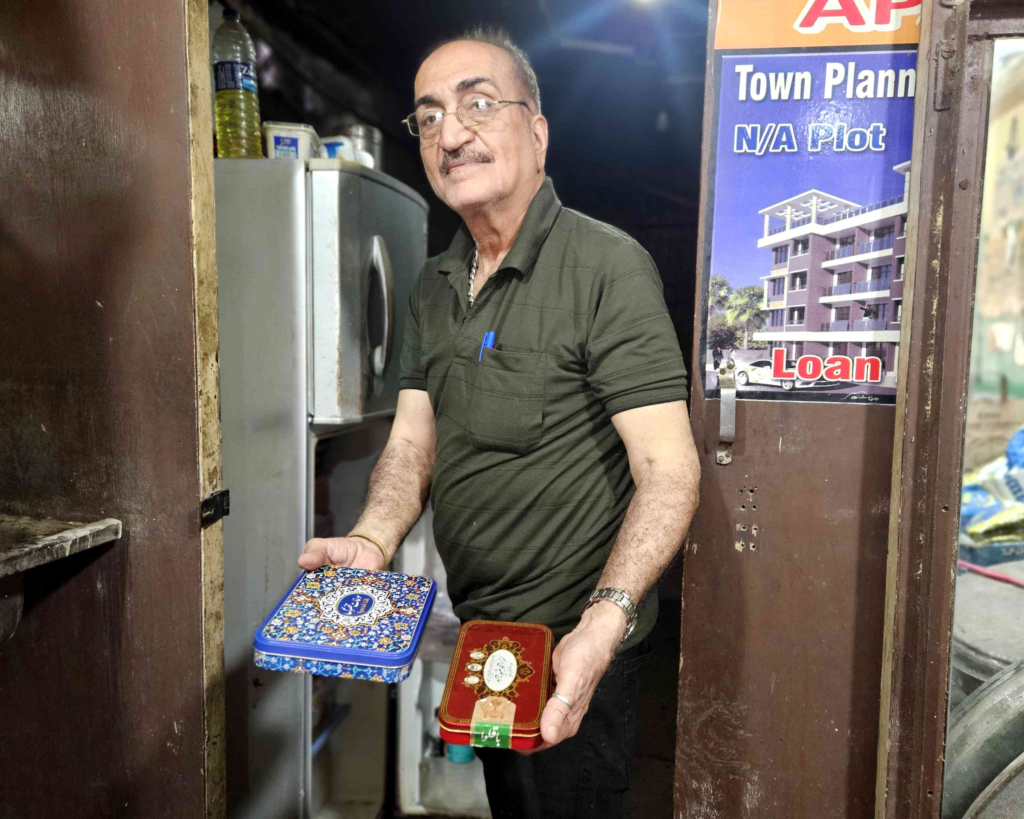
Mumbai, India — In a narrow lane of Mumbai’s Dongri neighborhood, a small shop known for its Persian sweets is preparing for the Iranian New Year with unusual uncertainty this year.
Before you scroll further…
Get the best of Scroll directly in your inbox for free.
The shop, which serves Mumbai’s small Iranian-origin community, is facing supply shortages and subdued celebrations after the reported killing of Iran’s Supreme Leader, Ayatollah Ali Khamenei, in a large-scale military attack involving the United States and Israel. (Scroll.in)
For many Iranian families in the city, the news has brought grief, anger, and anxiety about relatives back home.
A Festival Shadowed by Conflict
Nowruz, the Persian New Year, will be celebrated on March 20. In normal years, it is the busiest time for the city’s only Persian sweet shop, which prepares traditional desserts such as baklava and other Iranian delicacies.
But this year, the mood is very different.
The owner of the shop had earlier traveled to Iran to bring ingredients and sweets such as saffron-flavored confections, pistachio desserts, and dried fruits. However, ongoing conflict and disrupted transport links mean new supplies cannot arrive. (Scroll.in)
With limited stock, the shop may have to use local substitutes instead of imported Iranian ingredients.
For the owner, the challenge is not just business. He is also worried about relatives in Iran, with communication becoming difficult since the conflict began.
A Community with Deep Roots in Mumbai
Mumbai has a long history of Iranian migration. Thousands of Iranis — including Zoroastrians, Shia Muslims, and members of the Baha’i faith — arrived in the city during the 19th and early 20th centuries. (Scroll.in)
Many became traders, while others opened the famous Irani cafés that remain a cultural symbol of the city.
Today, the Iranian community in Mumbai is relatively small, estimated at around 2,500 to 3,000 people. Many still maintain family and business ties with Iran. (Scroll.in)
For them, traditional celebrations like Nowruz are an important way to maintain their cultural identity.
Mourning and Anger in the Community
In parts of Mumbai, Iranian Muslims have held mourning gatherings following Khamenei’s death.
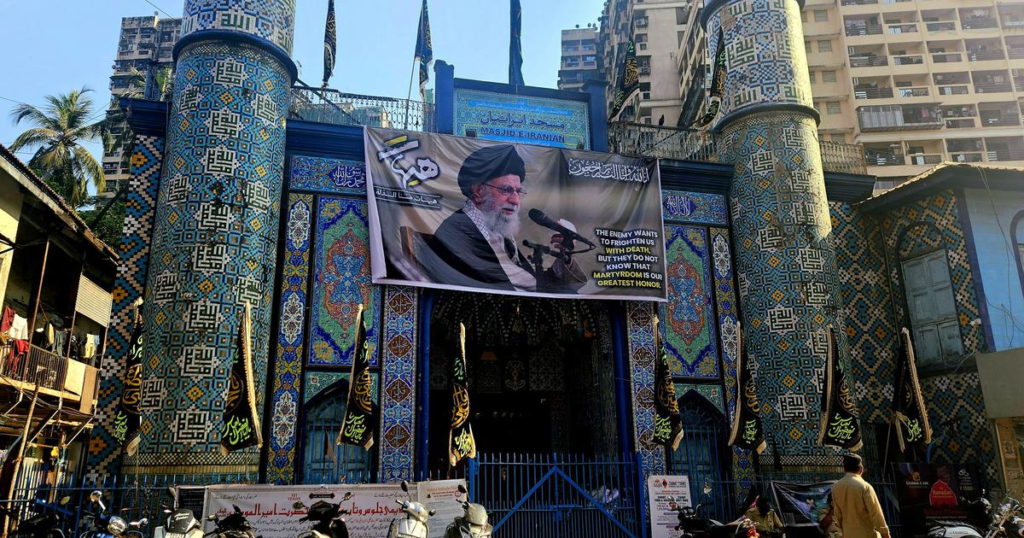
At the historic Haji Mohammed Hussain Shirazi mosque, black flags were displayed and the community observed a period of mourning. Some residents described the killing as a personal loss.
Several small candlelight gatherings and protests have also taken place in neighborhoods such as Mira Road, Kurla, and Govandi. (Scroll.in)
Members of the community say the situation has left them both grieving and frustrated.
Some residents also worry about relatives in Iran who are living amid air strikes and communication disruptions.
Economic and Social Impact
The conflict is affecting more than just cultural celebrations.
Businesses connected to travel and employment in the Middle East have slowed down as people hesitate to work in the region during the ongoing tensions.
Rising geopolitical uncertainty has also added to concerns about economic stability.
A Quiet Nowruz Ahead
For many Iranian families in Mumbai, this year’s Nowruz may pass quietly.
Normally filled with gatherings, sweets, and celebration, the festival is expected to be overshadowed by grief and concern for loved ones in Iran.
At the small Persian sweet shop in Dongri, preparations continue — but the festive spirit that usually surrounds the Iranian New Year is noticeably absent.