
A landmark decision on end-of-life care
India’s Supreme Court has allowed the removal of life support for a 31-year-old man who has remained in a vegetative state for more than a decade after a severe brain injury.
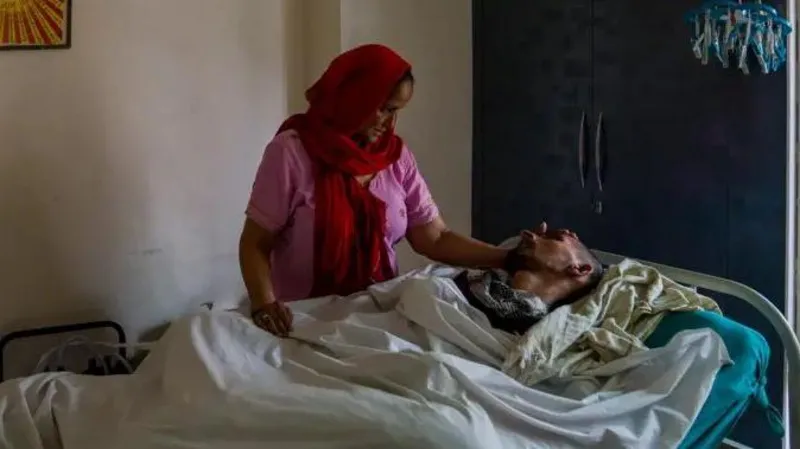
The man, Harish Rana from Ghaziabad, suffered major head injuries in 2013 after falling from a building while studying at university. Since then, doctors say he has remained in a permanent vegetative condition with no realistic chance of recovery. (The Times of India)
After years of caring for him, Rana’s parents approached the court seeking permission to withdraw life-sustaining treatment.
Court allows “passive euthanasia”
In its ruling, the Supreme Court permitted doctors to withdraw the medical support that has kept Rana alive. The court also directed that he be admitted to the All India Institute of Medical Sciences (AIIMS) in Delhi, where doctors will oversee the process. (The Times of India)
The decision effectively allows what is known as passive euthanasia, where life-prolonging treatment—such as ventilators or feeding tubes—is withdrawn, allowing the patient to die naturally. (The Economic Times)
Active euthanasia, which involves deliberately causing death through medical intervention, remains illegal in India.
A difficult decision for the family
Rana’s parents had spent years caring for their son without signs of improvement. Their plea to the court argued that continuing treatment only prolonged suffering and placed an emotional and physical burden on the family.
The court considered medical reports from experts who concluded that the patient had no chance of recovery.
Renewed debate on the “right to die”
The ruling is expected to renew national debate about end-of-life care and medical ethics in India.
The country’s top court previously laid down guidelines for passive euthanasia in earlier cases, allowing life support to be withdrawn under strict conditions and medical supervision. (The Economic Times)
Legal experts say the latest decision could influence future cases involving patients in long-term vegetative states.
The bottom line
The Supreme Court’s decision highlights the complex ethical and legal questions surrounding life-support treatment. For many families facing similar situations, the ruling may shape how courts and doctors handle end-of-life decisions in the future.