
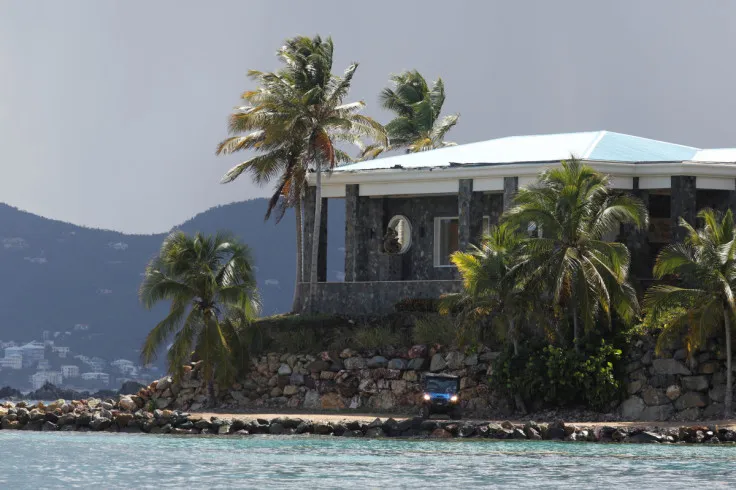
Introduction
A former architect who worked on Jeffrey Epstein’s private island has shared new details about the property, describing unusual and unsettling design choices. The architect also claimed that many people were aware of what was happening but chose to ignore it.
Main Story
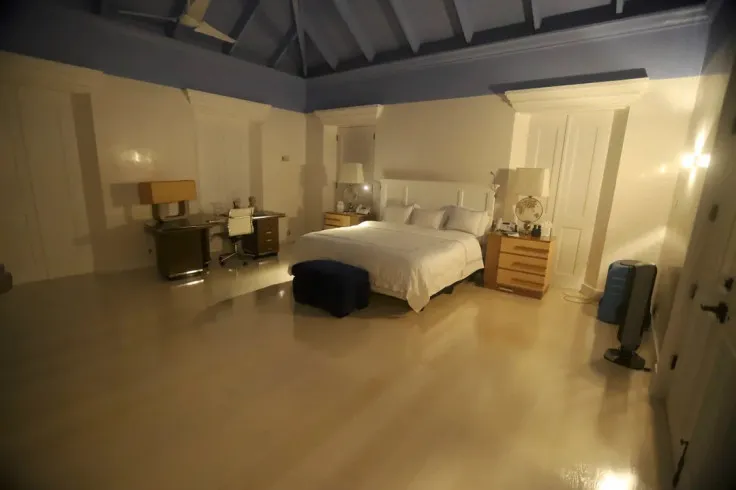
The architect, who helped design parts of Epstein’s estate on Little Saint James Island, said the property included features that raised serious concerns. Among them were small bunk beds, thick and heavy curtains, and rooms designed to be unusually private.
According to the architect, these design elements did not seem typical for a luxury island home. The bunk beds, in particular, appeared out of place for a property meant to host wealthy and influential guests.
The heavy curtains and isolated room layouts also stood out. The architect explained that these features made it difficult to see inside certain areas, increasing privacy to an unusual level. Over time, these details created a sense that something was not right.
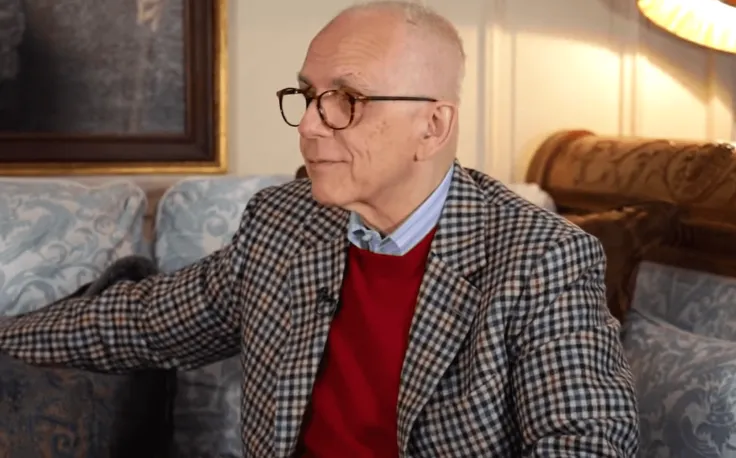
Image via: French Heritage Society YOUTUBE SCREENSHOT
In a strong statement, the architect said, “Everybody knew,” suggesting that people connected to Epstein were aware of troubling activities but did not act.
Jeffrey Epstein, a financier, was arrested in 2019 on charges related to sex trafficking of minors. His case drew global attention, especially because of his connections to powerful figures. Epstein died in jail later that year under controversial circumstances.
The island, often referred to as “Epstein Island,” has since become a symbol of secrecy, power, and unanswered questions. Investigations into Epstein’s network and activities continue to raise concerns about accountability.
Why It Matters
The architect’s claims add to ongoing questions about how such activities could continue for years without intervention. If more people were aware than previously believed, it raises serious concerns about silence, influence, and responsibility.
Bottom Line
New testimony from someone directly involved in designing Epstein’s estate suggests that warning signs may have been visible all along—but ignored.