
Introduction
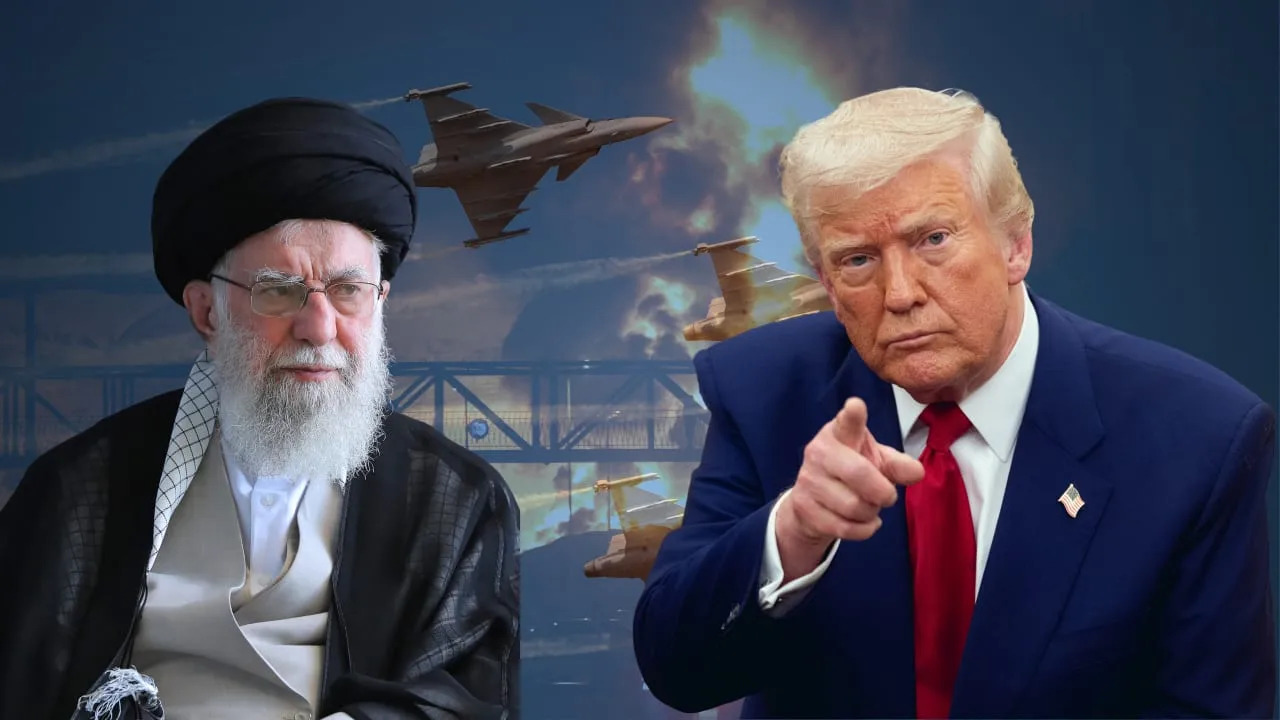
U.S. President Donald Trump has given Iran a strict 48-hour deadline to reopen the Strait of Hormuz, one of the world’s most important oil routes. The warning marks a major escalation in the ongoing conflict in the Middle East and has raised fears of a wider war.
What Happened
Trump warned that if Iran does not fully reopen the Strait of Hormuz within 48 hours, the United States could launch attacks on Iran’s power plants and energy infrastructure. (AP News)
The Strait of Hormuz is a narrow waterway through which about 20% of the world’s oil supply passes. Any disruption here can affect global fuel prices and economies. (Wikipedia)
Iran has partially restricted the strait, saying ships linked to “enemy countries” like the U.S. and Israel may not pass safely. (Reuters)
Why It Matters
The situation is serious because the Strait of Hormuz is critical for global energy supply.
- Oil prices have already surged above $100 per barrel due to the disruption. (The Guardian)
- The crisis is being compared to the worst energy shocks since the 1970s. (Reuters)
- Many countries depend heavily on this route for oil and gas imports.
Any military action could further disrupt supplies and push prices even higher worldwide.
Rising Tensions
The ultimatum comes during an already intense conflict involving the U.S., Israel, and Iran.
- Recent missile attacks and airstrikes have caused hundreds of casualties. (AP News)
- Iran has warned it will retaliate if its infrastructure is attacked. (The Washington Post)
- The conflict has now entered its fourth week with no clear end in sight. (The Times of India)
Both sides are increasing military activity, raising concerns of a larger regional war.
Global Impact
The crisis is not limited to the Middle East.
- Countries like India and Japan are closely monitoring oil supply risks.
- Global markets are becoming unstable due to rising energy prices.
- Some nations are considering military support to secure the shipping route. (The Guardian)
Bottom Line
Trump’s 48-hour ultimatum has sharply increased tensions between the U.S. and Iran. If no agreement is reached, the situation could quickly turn into a broader conflict, with serious consequences for global energy supply and economic stability.