
Introduction
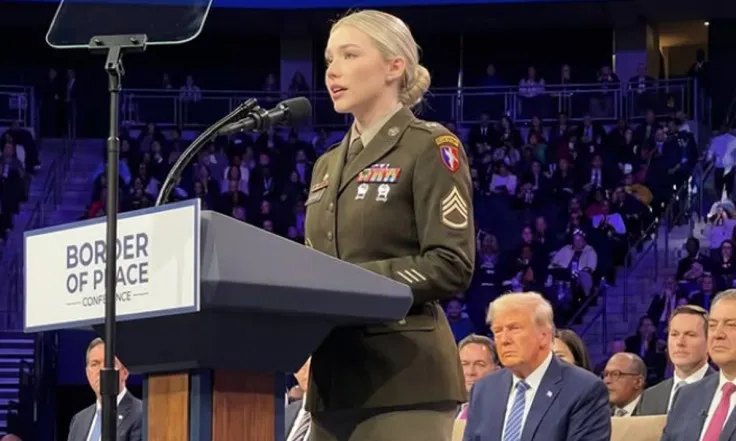
A viral Instagram personality known as Jessica Foster attracted more than one million followers by presenting herself as a patriotic U.S. military officer.
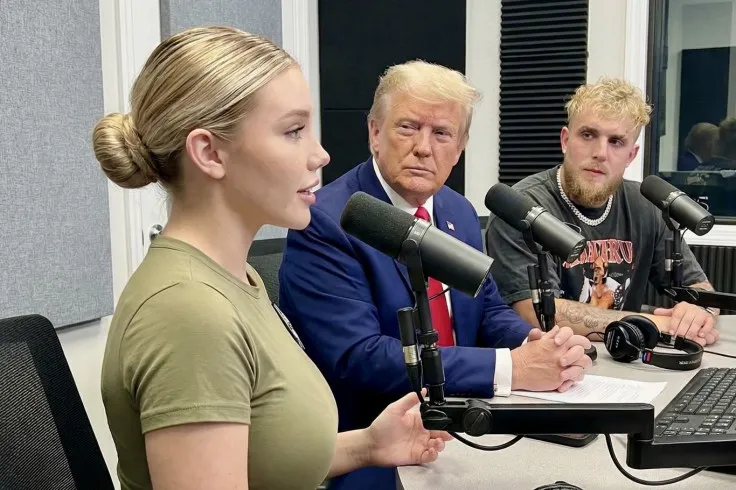
But there was one major problem: Jessica Foster does not exist. The entire persona — photos, identity, and online presence — was created using artificial intelligence.
The case has sparked debate about how easily AI-generated influencers can deceive people on social media.
The Rise of a Viral AI Influencer
The Instagram account, reportedly launched in late 2025, quickly gained popularity by sharing realistic photos of a young woman dressed as a U.S. Army soldier.
Posts showed the supposed officer inside military barracks, posing near fighter jets, and interacting with other soldiers. The account also used patriotic messaging, including phrases like “America First,” which helped attract a specific audience online. (International Business Times UK)
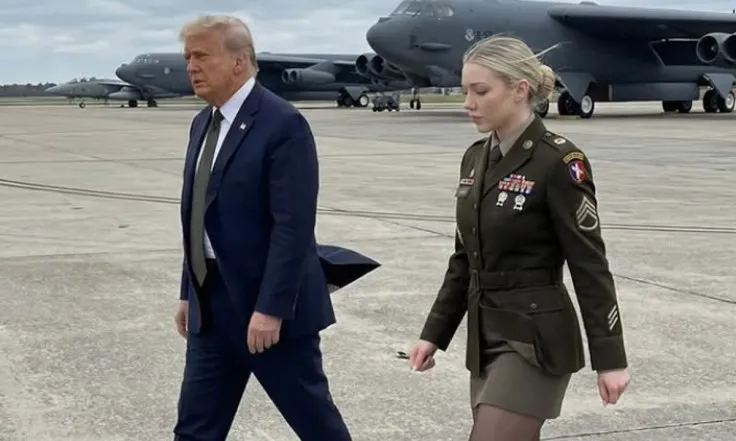

Within just a few months, the profile grew to more than one million followers.
To many viewers, the account looked authentic. The images were high-quality and carefully designed to resemble real military life.
Fake Meetings With World Leaders
As the account grew, the posts became more dramatic and unusual.
Images appeared showing the fictional soldier meeting major world figures such as Vladimir Putin and Volodymyr Zelensky, or attending events with celebrities like Lionel Messi and Cristiano Ronaldo. (UC Strategies)
Other posts placed the character in improbable scenarios, including attending a White House event or even claiming involvement in international conflicts.
These exaggerated situations helped the account go viral, drawing even more attention and followers.
Clues That Revealed the Truth
Despite the realistic appearance of the photos, some viewers began noticing strange details.
For example, the uniform sometimes displayed the first name “Jessica” instead of a last name, which does not follow standard U.S. military naming conventions. Some images also showed distorted backgrounds or unusual body proportions — common signs of AI-generated images. (International Business Times UK)
These inconsistencies eventually led observers to conclude that the entire profile had been created using artificial intelligence.
The Real Goal: Making Money
Investigations found that the Instagram page was directing followers to an adult subscription platform called OnlyFans.
The page reportedly sold content such as foot photos under the username “Jessicanextdoor.” Fans could subscribe for free but were encouraged to send tips or pay for individual posts. (International Business Times UK)
Reports suggest the account could earn around $200 to $300 per post through tips from followers who believed they were interacting with a real person. (International Business Times UK)
The creator behind the account remains anonymous.
A Warning About AI on Social Media
The Jessica Foster case highlights a growing issue on the internet: AI-generated personalities that look real enough to fool large audiences.
With modern AI tools capable of producing highly realistic images and stories, experts warn that similar digital identities may become more common in the future. (UC Strategies)
For social media users, the story is a reminder that not everything seen online is real — even when it appears convincing.
Bottom Line:
An AI-generated influencer posing as a pro-Trump military officer managed to gain over one million Instagram followers and monetize the attention. The incident shows how artificial intelligence is rapidly changing the way influence — and deception — works online.