
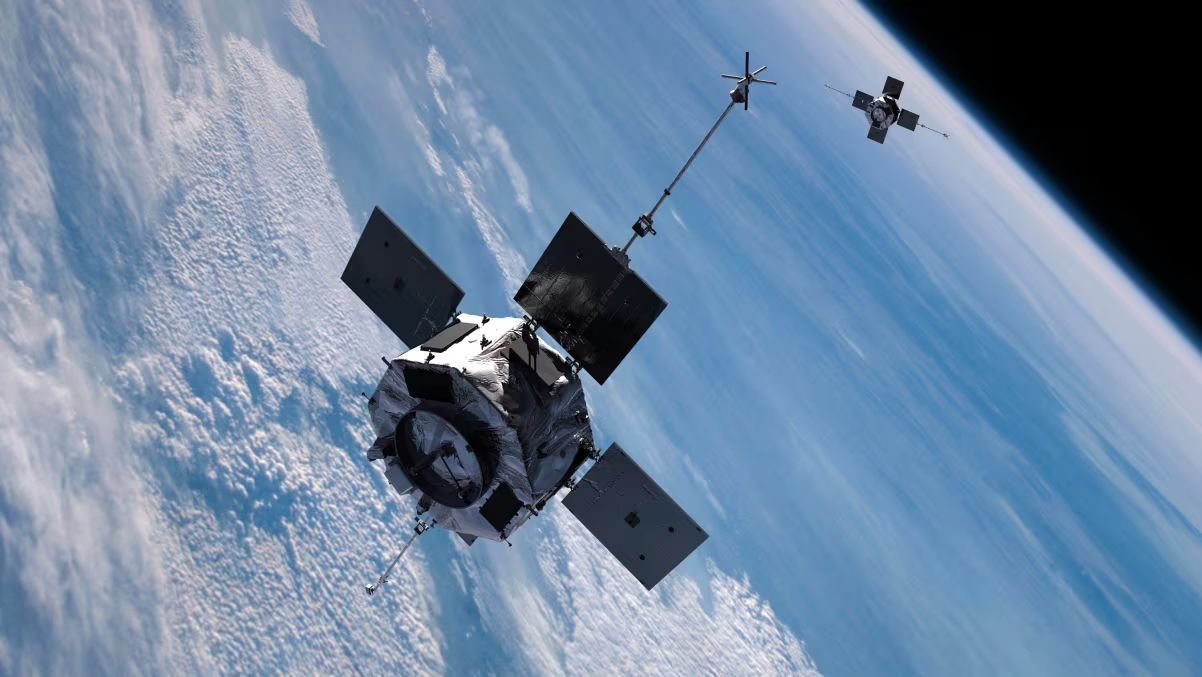
A NASA satellite that spent nearly 14 years studying Earth’s radiation environment is expected to re-enter the planet’s atmosphere this week, bringing its long mission to an end.
The spacecraft, known as Van Allen Probe A, was launched in August 2012 alongside a twin probe as part of a mission to study the powerful radiation belts that surround Earth. Scientists used the spacecraft to better understand how these belts change during solar storms and how they affect satellites, astronauts, and communication systems. (NASA)
When the satellite will return to Earth
According to NASA and the U.S. Space Force, the 600-kilogram spacecraft is expected to re-enter Earth’s atmosphere around March 10, with a possible timing uncertainty of about 24 hours. (NASA)
As the satellite descends, most of it will burn up due to intense heat and friction in the atmosphere. However, some small pieces may survive and reach the surface. Experts say the chance of debris causing harm is extremely low — about 1 in 4,200. (Live Science)
Because oceans cover more than 70% of the planet, most space debris from re-entries like this typically falls into the sea or remote areas. (The Guardian)
Why the spacecraft is falling earlier than expected
Originally, scientists believed the probe would remain in orbit until around 2034. But increased solar activity in recent years expanded Earth’s upper atmosphere, creating more drag on the satellite and gradually pulling it closer to Earth. (NASA)
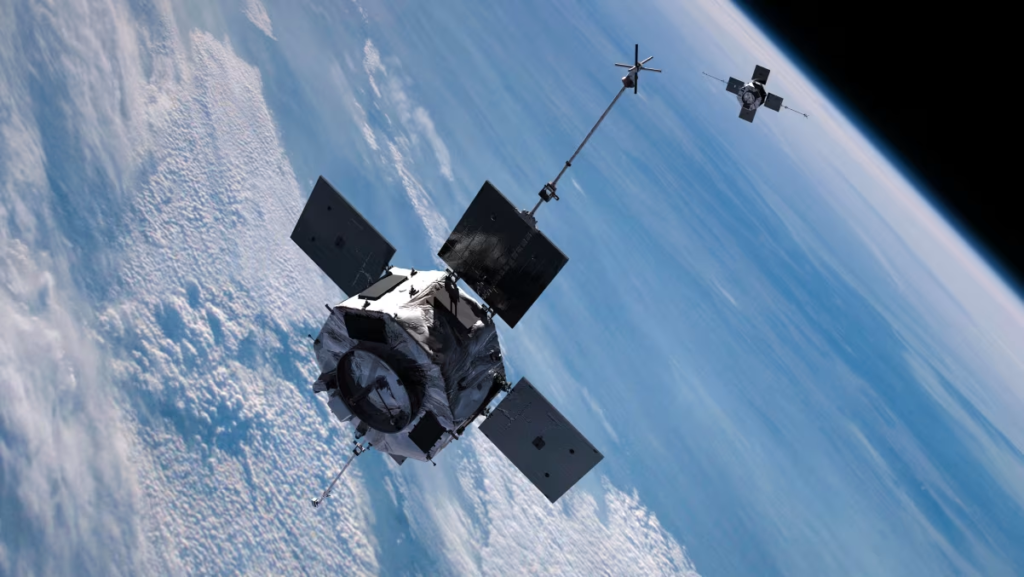
Photo by NASA
This atmospheric drag slowly reduced the spacecraft’s orbit until its final descent became inevitable.
A mission that exceeded expectations
The Van Allen Probes were originally designed to operate for about two years. Instead, the spacecraft collected valuable scientific data for nearly seven years before the mission officially ended in 2019 when the probes ran out of fuel. (NASA)
During their mission, the probes helped scientists better understand the Van Allen radiation belts — rings of high-energy particles trapped by Earth’s magnetic field. This research has improved forecasts of space weather, which can disrupt satellites, GPS systems, and power grids on Earth. (NASA)
What happens next
NASA and the U.S. Space Force are continuing to monitor the satellite’s re-entry. While Probe A is returning to Earth now, its twin spacecraft, Van Allen Probe B, is expected to remain in orbit until at least the early 2030s. (NASA)
Although the spacecraft’s journey is ending, the data collected during its mission will continue to help scientists study the space environment around Earth for years to come.