
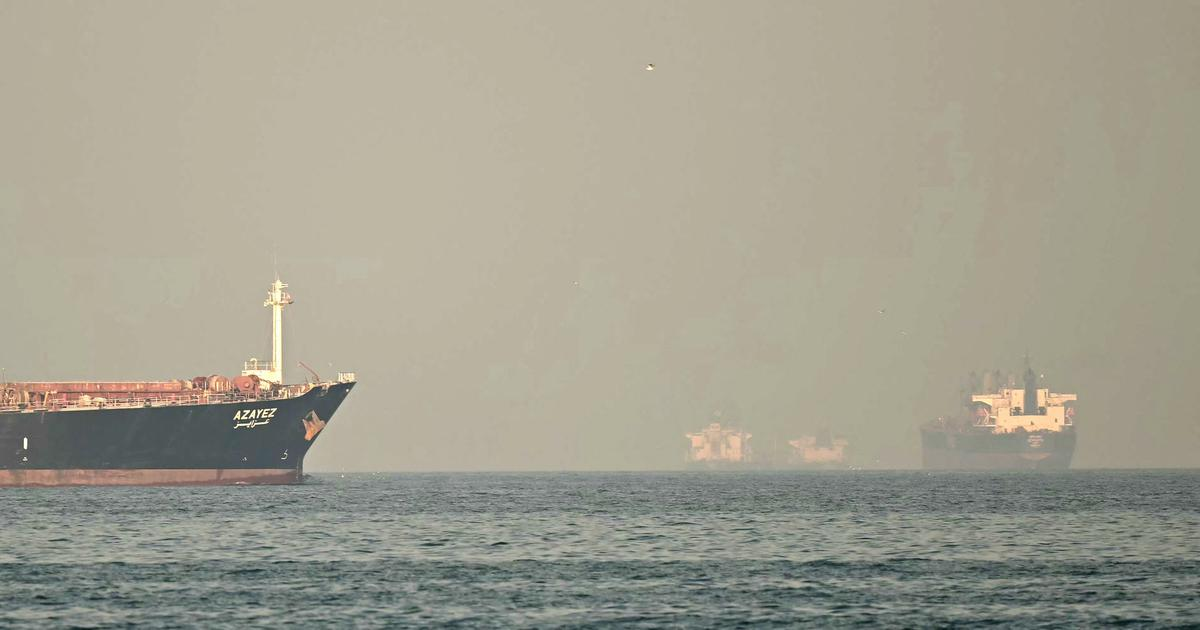
Rising tensions between the United States and Iran are sending shockwaves through global energy markets. If the conflict continues or worsens, analysts say India may face greater economic damage than China because of its heavy dependence on imported oil and limited energy buffers. (Scroll.in)
Both India and China rely heavily on energy imports from the Middle East. However, China has taken stronger steps in recent years to reduce its vulnerability, while India remains more exposed to disruptions in oil supply and rising prices. (Scroll.in)
Oil Supply Risks
One of the biggest concerns is the Strait of Hormuz, a narrow waterway through which roughly one-fifth of the world’s oil supply passes. Any military escalation could disrupt shipping routes and sharply reduce global oil supplies. (Wikipedia)
India imports nearly 90% of its crude oil from abroad, making it highly sensitive to sudden increases in global prices or supply interruptions. (mint)
If oil shipments from the Middle East are disrupted, India would have to buy fuel from alternative suppliers at higher prices, which could increase inflation, weaken the currency, and put pressure on the country’s economic growth. (India Briefing)
China’s Energy Advantage
China also imports large amounts of oil, but its energy strategy is more diversified. The country buys crude from a wider range of suppliers and has invested heavily in alternative energy sources and electric transport.
China’s large strategic oil reserves and stronger supply networks could help it manage short-term disruptions more effectively than India. (Scroll.in)
In addition, China has expanded renewable energy and electrification programs, which gradually reduce its reliance on imported oil compared with many other major economies.
Limited Strategic Reserves in India
Another challenge for India is its relatively small strategic petroleum reserve. Analysts say the country has only a few weeks of emergency oil stockpiles, meaning prolonged supply disruptions could quickly affect the domestic market. (Reuters)
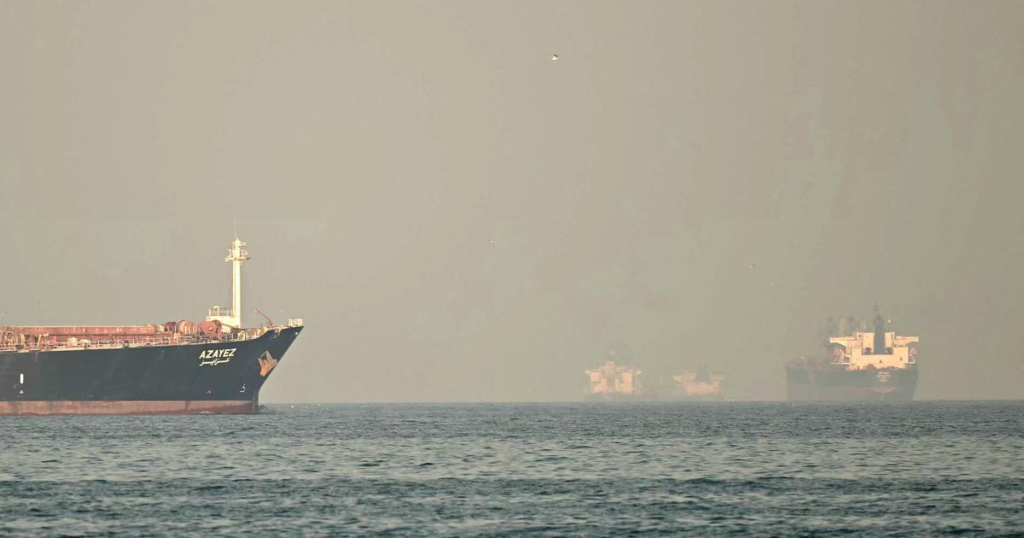
Without sufficient reserves, India would need to secure new supplies quickly on the international market, where prices could spike during geopolitical crises.
Wider Economic Impact
Beyond energy, a prolonged conflict could affect several parts of India’s economy. Rising oil prices would increase transportation and manufacturing costs, potentially slowing economic growth.
Global market volatility could also weaken investor confidence and put pressure on the Indian rupee and stock markets. (The Economic Times)
At the same time, disruptions to trade routes and shipping in the Middle East could affect exports and supply chains connected to the region.
A Global Crisis With Uneven Effects
The conflict between the United States and Iran has already raised concerns about global energy security and economic stability.
While many countries would face economic challenges if the crisis escalates, experts say India may feel the impact more sharply than China because of its higher dependence on imported oil and smaller energy reserves. (Scroll.in)
As tensions in the Middle East continue, governments around the world are closely monitoring energy supplies and preparing for possible disruptions that could reshape global markets.