
March 8, 2026
Daylight Saving Time has officially begun across most of the United States, bringing longer evenings but costing many people an hour of sleep.
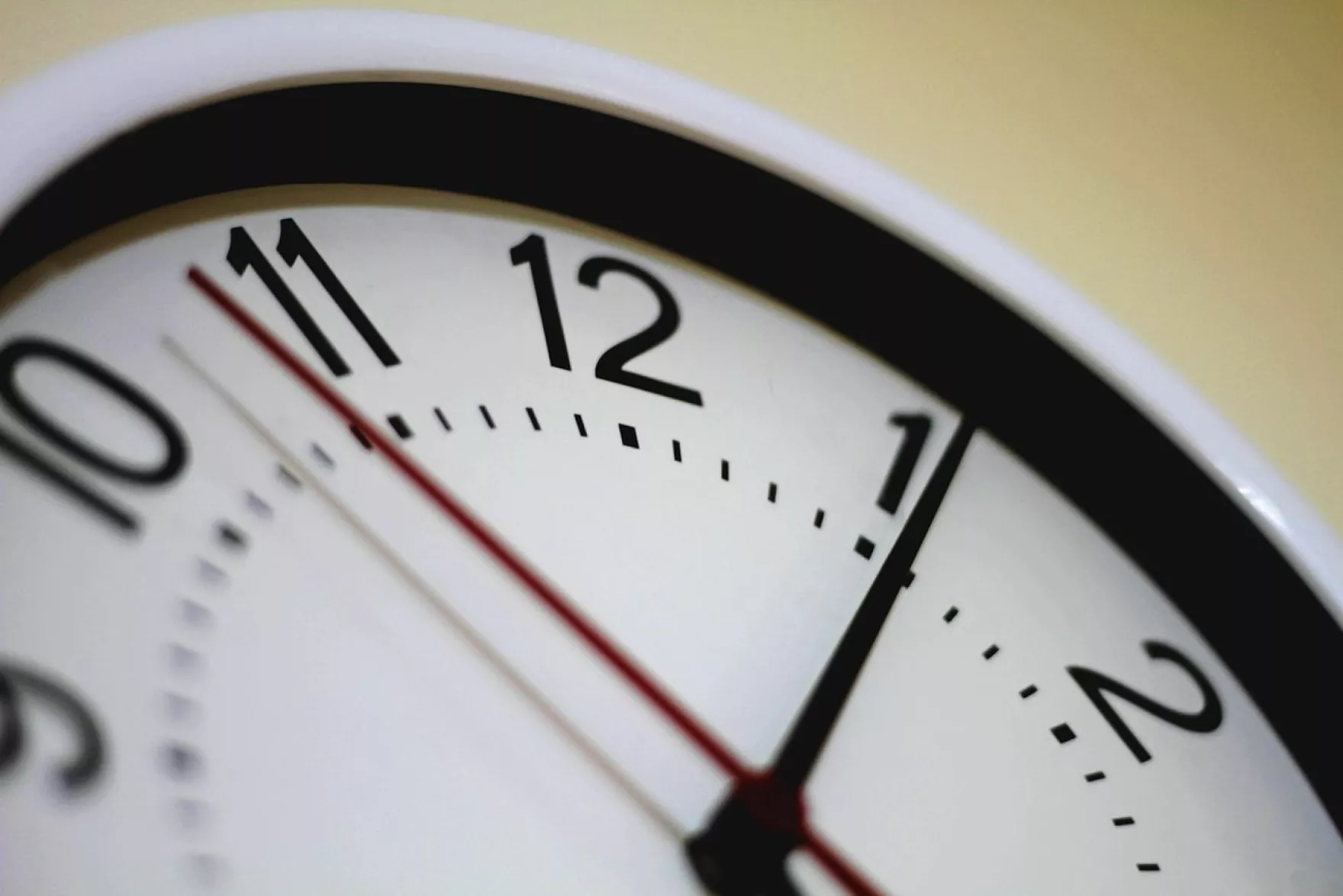
The annual time change took place early Sunday, March 8, when clocks moved forward by one hour at 2 a.m. local time, jumping directly to 3 a.m. This shift is commonly known as “spring forward.” (CBS News)
The change marks the start of Daylight Saving Time for 2026, which will remain in effect until November 1, when clocks will move back again to standard time. (CBS News)
What Daylight Saving Time Means
Daylight Saving Time adjusts clocks so that more daylight appears in the evening rather than early morning. By moving clocks forward one hour, sunsets occur later in the day while sunrises happen later in the morning. (CBS News)
Supporters say the shift allows people to enjoy longer daylight hours after work or school during the warmer months.
However, the time change can temporarily disrupt sleep schedules since people effectively lose one hour of rest on the night the clocks move forward.
When the Time Change Happens Each Year
In the United States, Daylight Saving Time begins on the second Sunday of March and ends on the first Sunday of November. (Wikipedia)
This schedule has been in place since 2007, when the U.S. government extended the period that daylight saving time remains in effect. (CBS News)
Areas That Do Not Observe the Change
Not every region in the United States follows Daylight Saving Time.
The states of Hawaii and most of Arizona stay on standard time throughout the year. Several U.S. territories, including Puerto Rico and Guam, also do not observe the clock change. (Wikipedia)
Why Daylight Saving Time Exists
Daylight Saving Time was first introduced in the United States in 1918 during World War I as a way to conserve fuel and energy. The idea was that more daylight in the evening would reduce the need for artificial lighting. (CBS News)
Although the system has continued for decades, it remains controversial. Some lawmakers and researchers argue that the twice-yearly time change disrupts sleep and daily routines, while others believe it benefits businesses and outdoor activities.
Debates over whether to keep or eliminate the practice continue in the United States and other countries.